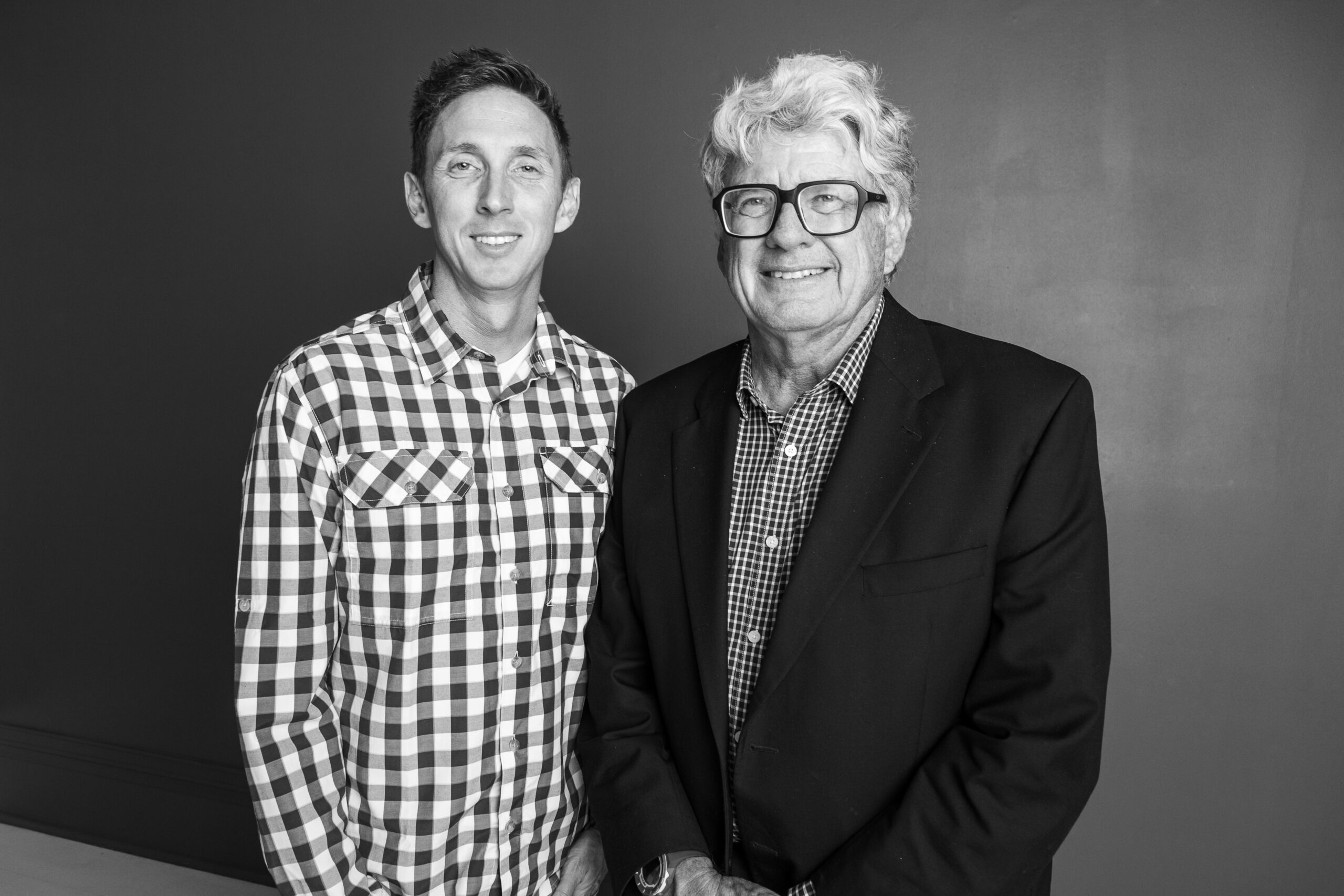
Tired of traditional techniques that led to symptomatic and failing restorations, in 1996, Dr. David Alleman started an in-depth literature review to find better options for his patients. From his literature review, Dr. Alleman found researched solutions to these issues in traditional dentistry and from that consolidated them into a set of protocols he could use to restore a tooth from diagnosis to occlusion without retention form.
Once Dr. Alleman started using these steps in his own practice, he saw the need for root canal treatments drop 90%, total elimination of post-operative sensitivity and restorations that have stayed bonded for 20 years and counting. He called these steps, the Six Lessons Approach.
Learning Objectives
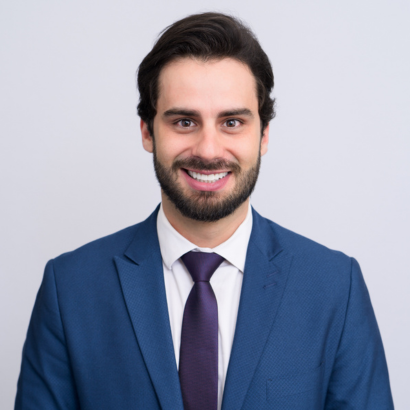
Immediate dentin sealing was originally introduced to improve dentin bonding for indirect restorations. This concept can also be applied to endodontically treated teeth (ETT), either before or after root canal therapy. During the multiple clinical steps involved in endodontic treatment and definitive restoration, sound dental tissues are often unnecessarily removed.
This presentation introduces a conservative protocol in which dentin hybridization and biobase are performed prior to root canal (re)treatment. Known as Immediate Pre-Endodontic Dentin Sealing (IPDS), this approach aims to preserve sound tooth structure while optimizing dentin bond strength and improving the fracture resistance of restored teeth. The biological rationale, clinical workflow, advantages, and limitations of this technique will be discussed.
In addition, following IPDS, deep margin elevation (DME) will be presented as a complementary strategy for managing subgingival margins by relocating them to a supragingival position, improving isolation, bonding procedures, and restorative predictability. Clinical protocols, indications, and current evidence will be reviewed to illustrate how these biomimetic strategies can improve the management of structurally compromised teeth.
Learning Objectives:
In recent years, the indications for direct composite resin restorations in Japan have expanded significantly. Techniques that ensure long-term clinical success are grounded in the work of academic researchers and the extensive clinical experience of highly skilled predecessors. Building upon this foundation, I strongly recognize that continuous refinement of clinical skills and ongoing updates in knowledge are essential for achieving predictable outcomes in direct composite restorations.
At the same time, it is important to acknowledge that advances in direct restorative techniques are closely linked to innovations in materials and instruments developed by manufacturers and researchers. In particular, modern flowable resin composites are now available in a wide range of viscosities within the same product line, with some materials demonstrating mechanical properties comparable to or even exceeding those of conventional paste-type composites. Furthermore, improvements in delivery systems—such as syringes and fine-gauge tips—have enabled more precise material placement, which is especially advantageous for microscope-assisted procedures and contributes to the expansion of clinical possibilities.
However, despite these technological advancements, the clinical application of such materials and instruments often relies on individual experience, and evidence-based guidelines remain limited. The establishment of such guidelines would further enhance the predictability and quality of restorative treatments.
In this presentation, I will share my clinical insights into the characteristics and applications of flowable resin composites and explore their potential within a biomimetic restorative framework.
Learning Objectives
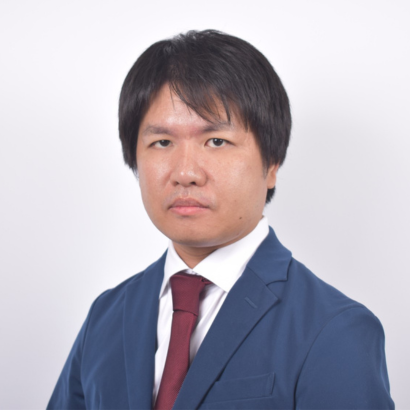
Direct composite restorations have advanced with the development of adhesive dentistry, digital workflows, and microscope-assisted techniques. Among these approaches, the injection molding technique using a clear index has emerged as a minimally invasive and highly reproducible method for restoring complex tooth morphology.
This lecture introduces a digital workflow for direct composite injection molding using an optimized clear index design. The technique integrates digital planning, index fabrication, and controlled composite injection to achieve precise anatomical reproduction while preserving tooth structure.
Special attention will be given to the design of a two-layer clear index system, consisting of a silicone-based inner index and a rigid outer index, which improves stability and accuracy during composite injection. Clinical cases will demonstrate applications ranging from anterior restorations and diastema closure to challenging situations such as direct composite bridges and extension build-up techniques.
This approach enables clinicians to achieve predictable, precise, and minimally invasive restorative outcomes in a simplified clinical workflow.
Learning Objectives:
Management of caries, especially deep lesion, is particularly important to avoid the risk of post-operative tooth sensitivity and endodontic treatment. Appropriate caries removal technique and validity of the sealed restoration technique are discussed. Understanding the characteristic of variously compromised dentin, such as carious dentin including caries affected and/or infected dentin, eroded dentin, immediately bleached or endo-treated dentin is important for obtaining reliable bonding of restorations. However, these clinically compromised dentin shows the bonding performances inferior to the bonding to the intact dentin. The decreased bonding is caused by the insufficient infiltration and polymerization of the adhesives. The bonding to these dentins is successfully recovered by changing their structural and chemical characteristics, that is, the surface deprotenization and neutralization of the residual free-radical. The enamel-dentin junction(EDJ) at cavity wall is another significant issue, since EDJ is the most susceptible to the etching. The optimum selective enamel etching procedures to reduce the post-operative tooth sensitivity is also demonstrated.
Learning Objectives
Endodontic treatment has become more predictable than ever due to advances in materials, instruments, and clinical technology. The use of a dental operating microscope enables clinicians to manage complex anatomical structures such as isthmuses and fins, and to perform procedures including perforation repair and the removal of separated instruments with greater precision.
However, a thorough understanding of root canal anatomy remains the most fundamental requirement for successful endodontic treatment. This lecture will focus on endodontic procedures that emphasize careful attention to anatomical details, highlighting clinical strategies based on a deep understanding of root canal morphology.
Learning Objectives:
Dental bonding has fundamentally reshaped clinical dentistry by enabling restorative approaches that are conservative, biologically respectful, and structurally informed. The modern emphasis on minimally invasive dentistry, natural tooth longevity, and biomechanical hierarchies has replaced the traditional pursuit of simply stronger restorative materials. Despite these advances, polymerization shrinkage and interfacial defects remain persistent challenges threatening the durability of adhesive restorations.
This presentation introduces optical coherence tomography (OCT) as a powerful visualization and conceptual framework for understanding adhesive restorations under clinically relevant challenges, including shrinkage‑induced stress. By providing non-destructive insight into interfacial behavior and internal structural responses, OCT helps illuminate why otherwise sound adhesive protocols may fail in structurally compromised teeth.
A central premise of the talk is that long-term success in adhesive dentistry depends not only on optimized bonding and polymerization strategies, but also on deliberate stress management and biomechanical protection of both the bonded interface and remaining dental tissues. Strategies such as continuous fiber–reinforced laminated composites and innovative composite placement techniques are discussed as structural tools to redistribute stresses, particularly in cracked teeth and teeth with minimal remaining coronal structure.
Learning Objectives:
This lecture will introduce the stress-reduced direct composite (SRDC) protocol to predictably restore structurally compromised posterior teeth using a minimally invasive approach. The goal is to maximize the bond and reduce the stress to mimic the functional and optical characteristic of the natural dentition.
The four fundamentals of a SRDC protocol will be presented: 1. Occlusion, 2. Conservation, 3. Adhesion, 4. Stress Reduction. Attendees will become familiar with the Deliperi Protocol based on “The cycle of tooth preservation”. The Deliperi protocol aims to replace “The tooth Cycle of death” via a 100% tooth preservation and stress reducing approach. The direct cusp restoration, the maintenance of ultra thin cavity walls and the reconstruction of teeth prepped for a dental crown is now possible on both vital and devital structurally compromised teeth.
Topics covered during the lecture will include:
Bonding to dentin and enamel: what’s new and what it works adhesive systems review and selection, etch&rinse vs self-etching vs universal systems
Guidelines for SRDC restorations (Deliperi, 2012):
MO, MOD and cusp replacing restorations via SRDC restorations: clinical cases and videos from the Live Patient Demo courses at the Sardinia Dental Teaching Center
The restoration of structurally compromised vital and devital posterior teeth via fiber-reinforced SRDC (Deliperi et al, 2017)
More companies are marketing loupes that are more ergonomically friendly for dental professionals. However, training has been minimal at best. Why Struggle for a few months to use these, when you can learn from the experts and make your experience easy? AMED is the world educational leader in High Magnification Dentistry. This course is the only course that will teach you the effective and beneficial ways to use these new loupes.
Naked eye dentistry should be a thing of the past, the high rate of musculoskeletal disorders of 60-80% for dentists and the rate of early retirement from the profession due to limiting injuries or mental fatigue are a reality. Conventional loupes without an appropriate guide to adjust them to the individual dimensions of the user have been a limitation for the professional to acquire healthy work postures within the neutral. Currently there are ergonomic loupes on the market, which have revolutionized the high magnification market. These loupes came to solve the postural problems of many conventional loupes on the market and, in turn, generate a high optical quality to magnify and see better.
Added to this, low-weight LED lighting systems, non-touch on and off, and video camera systems for live documentation bring this technology closer to the broad benefits already known in the dental microscope, but with a lower investment cost, portability and a much flatter, easier and faster learning curve to handle.
In this course we will be able to address the proper use of these loupes and apply it in the office with a systematic approach to simplified positioning, starting from the biomechanics of the human body to working with four hands to perform better, without suffering from it.
Learning Objectives:

This lecture provides a clinically focused overview of contemporary surgery related to endodontic and apical treatments. Emphasis will be placed on case selection, treatment planning, and the integration of modern technologies to optimize patient outcomes. Attendees will gain practical insights into when to pursue [and execute] surgical endodontic therapy versus apical surgery, or both, along with techniques that improve predictability and long-term success.
Learning Objectives:
Is it inevitable? Will we find a way to offer definitive care for our patients and ourselves? It’s an evolution. In this course, Dr. DeLong will give an overview of modern technological advancements in dental practice. How do AI, AR, VR, relate to the Dental Operating Microscope? Learn about its benefits, and when it is used in concert with Lasers, iPads, Robotics, Streaming surgery, Ergo-chairs and more. Restorative, Diagnostic, and Surgical applications will be discussed with case presentations. Why? With both evidence and anecdotes, a compelling argument will be made for riding the wave of surgical microscopy and advancing technology.
Learning Objectives:


In the last 10-years there have been important advancements in adhesive materials science, research & clinical techniques. This course will present the most relevant advancements for clinical dentistry and how they can elevate procedures and result in consistent, predictable outcomes. Key information on adhesive technologies and clinical techniques that can reinforce natural dentition (Super Tooth) and make it more acid resistant that natural dentition will be presented and discussed.
Learning Objectives:
This lecture focuses on the art and science of achieving soft tissue harmony around the periodontium through precise surgical design and biological principles. It introduces a novel microsurgical approach combining the partial-full-thickness (PFT) tunnel technique with supra-crestal sling (SCS) suturing for root coverage and papilla reconstruction. The PFT design enables effective tension release and coronal advancement, while SCS sutures provide stable graft fixation. This approach enhances vascular preservation, improves soft tissue phenotype, and achieves predictable esthetic outcomes, particularly in challenging recession defects with interdental attachment loss.
Learning Objectives:
For a long time, I was unsure how to treat cracked teeth and used conventional methods. After learning the biomimetic approach, I changed the way I manage these cases. In this lecture, I will present cases that compare my previous conventional treatments with my current biomimetic approach, showing how my clinical method has evolved.
This program is designed for dentists wishing to achieve excellence with direct anterior composite restorations.
The final aesthetic outcome of an anterior restorations depends on the combination of the final form of the restoration with the color selection, tooth anatomy and the thickness of each composite shade.
Clinicians should have a precise idea of the form of the final restoration in their mind before starting color selection and composite layering (Deliperi, 2011).
Three mandatory steps are recommended when placing direct anterior composite restorations:
Current evidence-based research supporting this technique will be presented.
Completion of the course should provide attendees with the skills to “go resin” in most direct anterior applications and confidence to achieve consistent long-term success.
Topics covered through demonstration and hands-on experience:
Learning Objectives:
Learning Objectives:
This hands-on course is designed to provide participants with practical skills in posterior composite restorations using modern flowable resin composites. By effectively utilizing flowable materials with different viscosities, participants will learn to achieve predictable restorative outcomes and create functional occlusal morphology.
The course focuses on efficient clinical techniques with particular emphasis on the management of polymerization shrinkage stress, which is critical when working with flowable composites. Participants will practice flowable-driven build-up strategies, stress-controlled placement techniques, and precise material handling.
In addition, highly realistic 3D-printed models generated from actual clinical cases will be used, allowing participants to experience a training environment that closely simulates real clinical conditions.
This workshop aims not only to enhance technical skills but also to improve clinical decisionmaking, enabling participants to apply minimally invasive and predictable restorative protocols in their daily practice.
Learning Objectives:
Tired of traditional techniques that led to symptomatic and failing restorations, in 1996, Dr. David Alleman started an in-depth literature review to find better options for his patients. From his literature review, Dr. Alleman found researched solutions to these issues in traditional dentistry and from that consolidated them into a set of protocols he could use to restore a tooth from diagnosis to occlusion without retention form.
Once Dr. Alleman started using these steps in his own practice, he saw the need for root canal treatments drop 90%, total elimination of post-operative sensitivity and restorations that have stayed bonded for 20 years and counting. He called these steps, the Six Lessons Approach.
Learning Objectives
More information coming soon…
The stress generated from polymerization shrinkage and the lack of adequate protocols have discouraged many clinicians from selecting a direct technique for the restoration of class II cavities for many years. However, stress-reducing direct composite (SRDC) restorations have been proposed as a valid alternative to indirect resin-bonded composite restorations (Deliperi & Bardwell, 2002, 2006; Deliperi, 2008; Deliperi & Alleman, 2009; Deliperi et al 2012; Deliperi 2012). The goal of SRDC biomimetic restorations is to adopt protocols able to maximize the bond and minimize the stress in an attempt to mimic the functional and optical characteristics of the intact natural tooth. Both the maturation of the bond , the strategic layering and curing protocols are the milestone for stress reduction on the residual cavity wall.
After two decades of clinical success with SRDC, clinicians can confidentially preserve the remaining sound tooth structure in both medium, large size restorations and cusp-replacing restorations to either resist the mode of failure or mimic the performance characteristics of the intact natural tooth!
Six basic steps will be followed during the hands-on course to complete stress-reduced direct composite (SRDC) restorations: 1. Analysis of the occlusion and opposing dentition; 2. Cavity preparation and caries removal endpoints; 3. Analysis of residual tooth structure; 4. Preparation of the dental substrate to achieve a reliable bond to enamel and dentin; 5. Control of polymerization stresses by using appropriate layering and curing techniques; 6. Occlusal force equilibration (Deliperi 2012).
This course includes the direct restoration of structurally compromised teeth by using polyethylene fibers. The “wall-papering” protocol will be introduced to reduce the stress, increase the bond and maintain the integrity of the tooth-restoration complex overtime (Deliperi S. Oper Dent 2017).
With a solid scientific background in mind and a continuous training, clinicians may perform restorations able to recover the original strength of the natural teeth.
Learning Objectives:
Topics covered through demonstration and hands-on experience